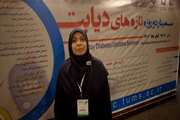
TUMS Q&A: Nutrition in Diabetes
Dr. Leila Azadbakht, a professor at the School of Nutrition Sciences and Dietetics at Tehran University of Medical Sciences, provided explanations regarding nutrition in diabetes. Dr. Azadbakht stated that individuals with type 2 diabetes can reduce their risk of cardiovascular disease by following an appropriate diet. She further explained that consuming complex carbohydrates (such as whole grains), fiber, and healthy fats (such as olive oil and canola oil), while limiting the intake of saturated and trans fats, helps control blood sugar and improve heart health. This research was conducted at the School of Nutrition Sciences and Dietetics and the Diabetes Research Center of the Endocrinology and Metabolism Research Institute at Tehran University of Medical Sciences.

Dairy and Iodine: Two Essential Pillars for Maternal and Fetal Health
In this video from TUMS Q&A, Mostafa Ghazi, Senior Clinical Nutrition Specialist from the School of Nutrition, Tehran University of Medical Sciences, discusses the nutritional value of dairy, especially milk, during pregnancy. He recommends that pregnant women consume four glasses of milk daily, emphasizing that milk is not only a rich source of calcium and protein but also plays a crucial role in the formation and development of the fetal nervous system. Additionally, he highlights the importance of iodine, stating that its deficiency can lead to neurological disorders in the fetus. Therefore, in addition to consuming dairy, expectant mothers should include other iodine-rich sources in their diet to ensure proper fetal development.

Prevention of Diabetes in Newborns of Diabetic Mothers
One of the most significant risks that newborns of diabetic mothers face is hypoglycemia (low blood sugar). This condition occurs when the baby's blood glucose levels drop below the normal range after birth. The risk is particularly high if the mother had hyperglycemia (high blood sugar) during pregnancy, as the baby's body produces excess insulin in response to the elevated maternal glucose levels.

Start of Rotavirus Vaccination at Tehran University of Medical Sciences Health Centers
The rotavirus vaccination program has officially started at the health centers of Tehran University of Medical Sciences. This vaccine is aimed at preventing severe diarrhea caused by rotavirus, which is a leading cause of dehydration and hospitalization in infants and young children. Health officials emphasize that timely vaccination can significantly reduce the risk of severe infections and related complications. Parents are encouraged to visit their nearest health center to ensure their children receive the vaccine as part of routine immunization programs.

Number of Meals in Gestational Diabetes
Dr. Kurosh Djafarian, a specialist in nutritional sciences and diet therapy at Tehran University of Medical Sciences, spoke about meal planning for diabetic mothers: "Contrary to popular belief, pregnant women with diabetes do not need to drastically reduce their food intake. Instead, the most important factor is dividing meals into smaller and more regular portions. For example, while healthy individuals typically consume three main meals a day, pregnant women with diabetes can better control their blood sugar levels by eating six smaller meals throughout the day".

TUMS Q&A: Neurological Complications in Patients with Diabetes
Dr. Ata Pourabbasi, a neuroscientist at Tehran University of Medical Sciences, announced the possibility of serious brain injuries to diabetic patients. He said according to recent studies using modern imaging technologies have shown that diabetic patients with inappropriate blood glucose control may experience a significant structure change in their brains. These changes have been observed, especially in the Hypocampus area, a key area in the brain responsible for memory and learning.
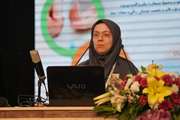
What Are the Appropriate Exercises for Diabetic Patients
In this TUMS Q&A episode, we emphasize the importance of exercise and physical activity in controlling diabetes, and that exercise and physical activity play a very important role in managing diabetes. By exercising regularly, diabetic patients can better control their blood sugar and reduce the risk of serious complications such as cardiovascular disease and nerve damage.

Osteoporosis Prevention Through Exercise
In this episode of TUMS Q&A, we explore the impact of exercise on preventing osteoporosis at different ages. Two types of exercise can be effective in preventing osteoporosis. Combining these two types of exercise can help maintain and strengthen bone mass. > Weight-bearing exercises, such as running, hiking, and jumping rope. These types of exercises increase bone density due to their positive effects on bones. Research shows that the stress placed on bones during physical activity helps stimulate bone tissue production. > Strength training involves using weights or body weight. Exercises like swimming and squats are among the simple exercises that can be easily performed. These exercises strengthen muscles and consequently increase bone strength.
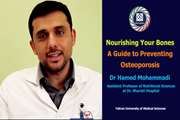
Nourishing Your Bones: A Guide to Preventing Osteoporosis
In this episode of TUMS Q&A, we delve into the pivotal role of nutrition in maintaining bone density and preventing osteoporosis. Osteoporosis, a condition characterized by weakened bones, is a significant health concern, especially among the elderly. Proper nutrition can be a powerful tool in strengthening bones and warding off this disease. Dr. Hamed Mohammadi, an Assistant Professor of Nutritional Sciences at Shariati Hospital, Tehran University of Medical Sciences, will discuss how to prevent osteoporosis through a well-balanced diet. He will explain how adequate intake of calcium, vitamin D, and protein can contribute to bone health. Additionally, he will explore the role of diet in reducing risk factors, such as excessive salt and sugar consumption, which can leach minerals from bones. Join us to learn about the best dietary practices for maintaining strong bones and preventing osteoporosis.
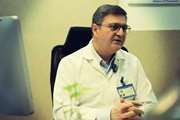
Which Individuals Are at the Increased Risk of Osteoporosis
In this TUMS Q&A episode, we'll delve into the factors that put individuals at a higher risk of developing osteoporosis. Osteoporosis, a condition characterized by weakened bones, is a significant health concern, particularly among the elderly. Individuals who have been bedridden for extended periods, those with low body weight, and those with poor nutrition are more susceptible to osteoporosis. Additionally, medications such as warfarin, heparin, and corticosteroids, often prescribed to treat various conditions, can contribute to bone loss. Therefore, early detection and prevention of the adverse effects of these drugs, especially in patients with rheumatic diseases or thyroid disorders (hyperthyroidism and hypothyroidism), is crucial. Cancer patients are also at an increased risk. Dr. Ahmad reza Jamshidi, the Head of the Rheumatology Research Center at Tehran University of Medical Sciences, will provide a comprehensive overview of this topic.